Fleet Maintenance Built for  Fleets
Keep dispatch, the shop, and finance in sync. Plan maintenance between loads, keep costs GL-ready, and stop duplicate entry.
 Load-aware maintenance planning.
- Meter-driven PMs (odometer + engine hours).
- AP/AR + GL-coded maintenance costs.





Ensure Maintenance That Works Around Loads
Most fleets plan maintenance separate from dispatch, so trucks get pulled mid-load, PMs slip, and the shop stays reactive. Squarerigger helps fleets:
 Align maintenance with dispatch and availability.
- Align PMs + repairs to equipment availability.
- Trigger PMs by odometer + engine hours.
- Auto-sync new units into maintenance plans.
- Schedule shop work by real utilization.
Results


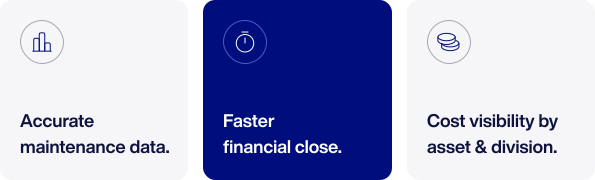
Keep Maintenance Costs Aligned with McLeod
Squarerigger keeps maintenance transactions structured so costs flow into McLeod accounting-ready, eliminating duplicate entry and reconciliation.
- Push POs to McLeod as AP vouchers.
- Send work orders with GL-ready costs.
- Attach owner-op charges to settlements.
- Push third-party repairs as AR billing.
- Map GL by division/location structure.
Results
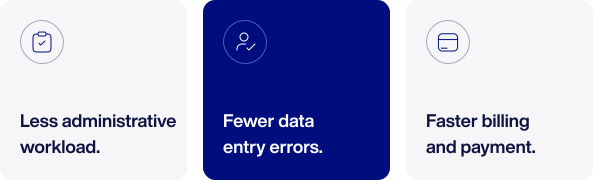
Enter Maintenance Data Once
Squarerigger reduces duplicate entry by keeping maintenance, billing, and accounting records aligned with McLeod. We help fleets:
- Sync vendor records across systems.
- Share maintenance & billing reference data.
- Enter work orders, invoices, and POs once.
- Flow maintenance costs into financials.
- Eliminate rework from data mismatches.
Results

How Squarerigger and
McLeod Stay in Sync
Here's exactly what moves between systems and in which direction.


..svg)
See How Squarerigger and
Work Together
See how Squarerigger works with McLeod in real fleet operations: from load-aware planning to accounting automation. Plan maintenance around loads, automate billing, and keep costs aligned with McLeod.
Request a Demo →